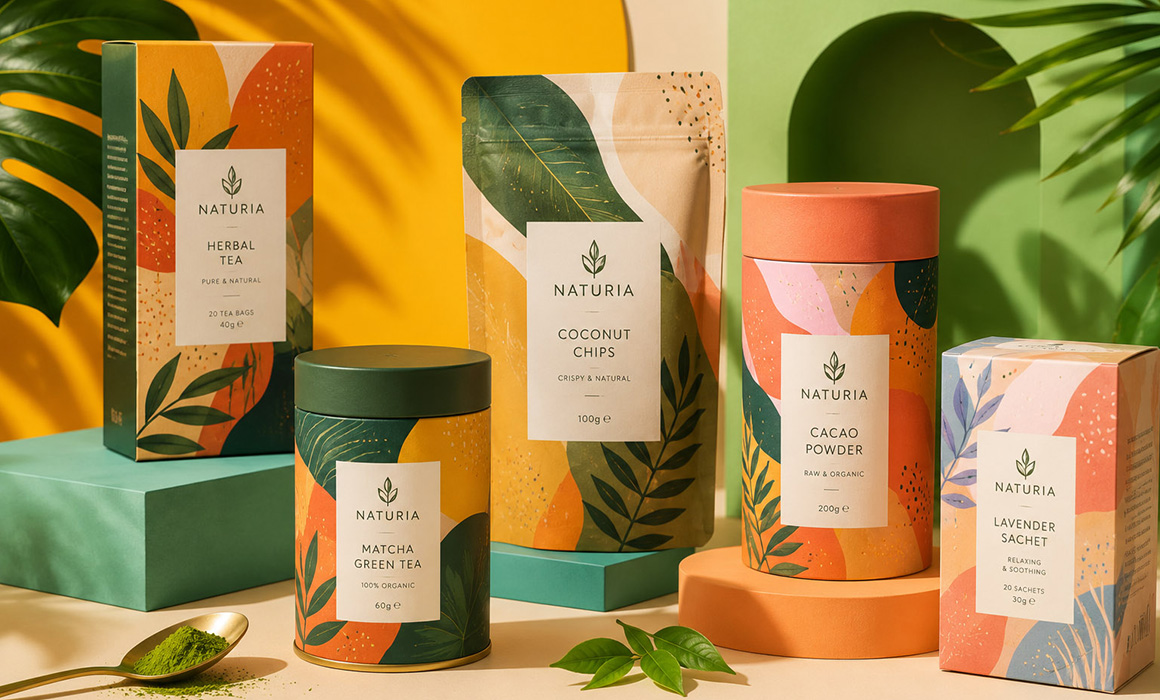
No matter how good a product is, it often fails to receive the recognition it deserves if it is not presented well.
Today, consumers buy more than a product: they also buy a feeling, a sense of trust, and a brand experience. This is why packaging design has become one of the most powerful elements of modern branding.
With competition growing so intensely on store shelves, e-commerce sites, and social media platforms, packaging is often the first thing that draws attention to a product.
So, how do you create successful packaging design?
1. Start by Understanding the Product and Its Audience
The first step in successful design is to communicate the right message, rather than simply look attractive.
A children’s product and a premium cosmetics brand cannot speak the same visual language.
Likewise, natural products and technology products belong to entirely different visual worlds.
The design process should therefore begin with these questions:
- Who is the product made for?
- Which competitors will it sit alongside on the shelf?
- What feeling does the brand want to convey?
- Should it look premium, natural, playful, or modern?
Without the right strategy, a design often remains a piece of work that looks good but has little impact.
2. First Impressions Are Crucial
A shopper typically spends just a few seconds looking at a product in a store.
If the product fails to attract attention in that brief moment, it often loses its chance.
Good packaging design:
- Stands out from a distance,
- Is easy to read at a glance,
- Does not look cluttered,
- Instantly conveys the brand’s character.
That is why:
- Colour selection,
- Typography,
- Use of space,
- Product photography,
- Logo placement
All matter so much.
In recent years especially, simple yet confident designs have come to be seen as far more professional.
3. Why Does Minimalism Matter in Packaging Design?
It was once common to cover products with large amounts of imagery and information.
Today, consumers are drawn to cleaner, clearer designs.
Minimal design:
- Gives the product a more premium appearance,
- Builds a sense of trust,
- Looks stronger on digital platforms,
- Expresses the brand identity more clearly.
The aim is to strike the right balance, rather than simply leave space empty.
Successful minimal designs are built around a carefully controlled visual hierarchy.
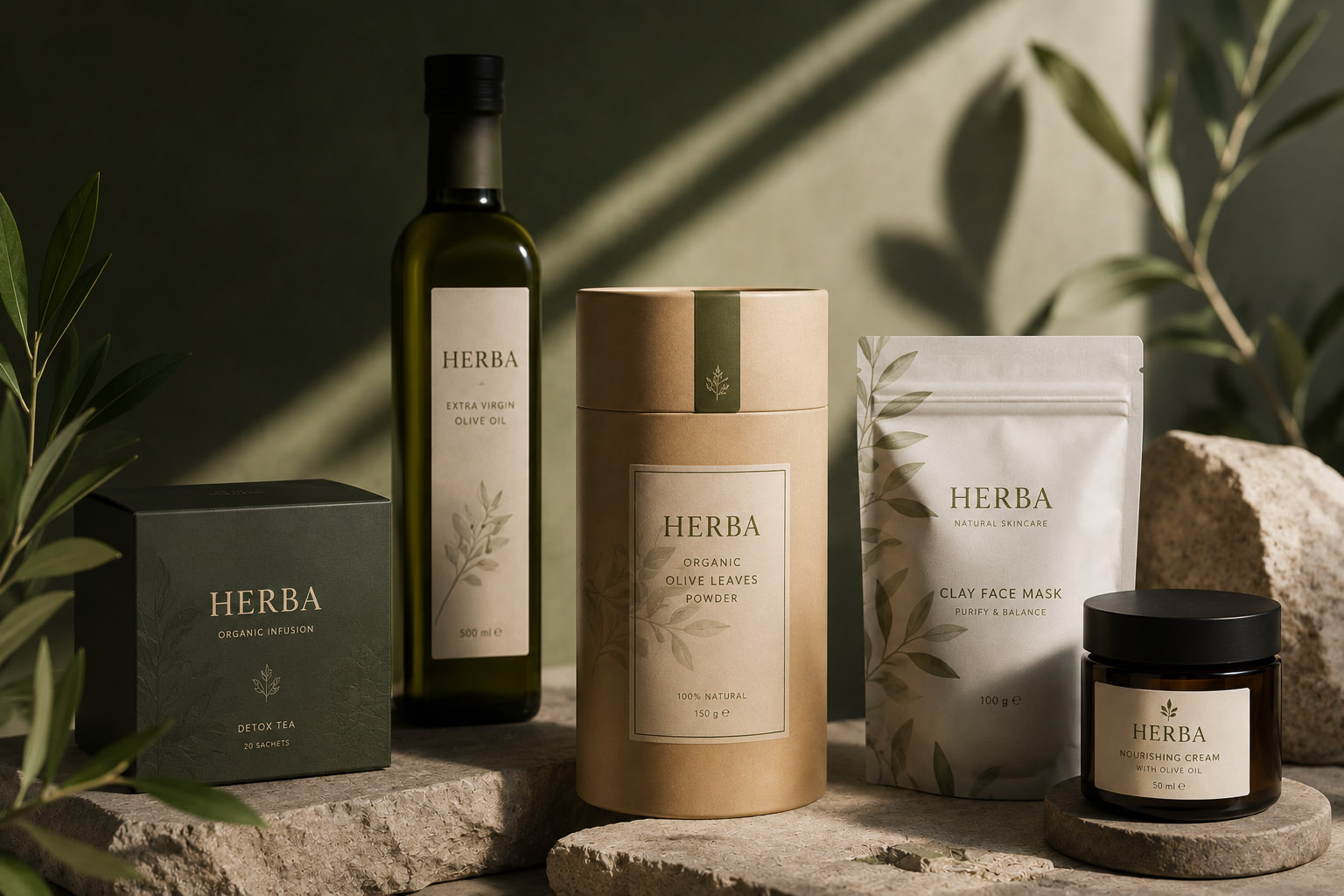
4. The Right Use of Colour Changes Brand Perception
Colours directly affect consumer psychology.
For example:
- Black → a premium, powerful impression
- White → a clean, modern appearance
- Green → a natural, healthy feel
- Red → an eye-catching, energetic effect
- Gold details → a sense of luxury
Choosing attractive colours is only part of the task.
The colours also need to suit the product category.
For example, presenting a natural product in excessively bright, aggressive colours can undermine trust.
5. Packaging Needs to Look Strong Online, Too
Products now compete in Instagram posts, advertising videos, and e-commerce stores as well as on physical shelves.
Modern packaging design therefore needs to:
- Photograph well,
- Reflect light effectively,
- Remain legible on a mobile screen,
- Create a strong visual impact on social media.
For many brands, packaging has also become a tool for creating content.
For premium products in particular:
- Well-presented mockups,
- Realistic product photography,
- High-quality lighting
Can significantly enhance the brand’s value.
6. Print Quality and Material Selection Matter as Much as Design
Even beautifully designed packaging can lose all its impact if it is printed poorly.
That is why:
- Matte or gloss lamination,
- Varnish finishes,
- Foil details,
- Paper selection,
- The choice of a stand-up pouch or box format
Are integral parts of the design.
In the premium segment especially, even small finishing touches can completely change the way a product is perceived.
7. Successful Packaging Design Has a Direct Impact on Sales
Packaging is more than an aesthetic exercise.
It is also a powerful marketing tool.
A well-executed design:
- Helps a product stand out on the shelf,
- Builds trust in the brand,
- Increases the product’s perceived value,
- Speeds up the purchase decision.
Today, many consumers will buy a product they have never tried before simply because they trust its packaging.
Conclusion
Successful packaging design brings together aesthetics, strategy, and brand perception.
Well-designed packaging:
- Sets a product apart from its competitors,
- Makes the brand look more professional,
- Attracts attention online,
- Supports sales performance.
People often form a connection with a product’s packaging before they ever use the product itself.
And strong brands never leave that first encounter to chance.