Business Card Design

Business Card Design

Skip to content

Menu

Home / Journal

On design

Business Card Design

Business Card Design

Small in size but big in impact, business cards have an undeniable place in the working world. Often overlooked, left until the end of a business plan, or never produced at all, they should really be among the essentials ready from the moment a business begins.

You need an identity to be recognised in your industry and establish a presence in the market through the work you do or the organisation you build. Alongside a logo, branding, and corporate identity, business cards should be one of the first steps. From the outset, a business card is one of the most important tools for expressing who you are. Even a discarded card can sometimes become an advertisement and lead to new business. Given the importance of business cards and their impact in the business world, why should their design be careless? As strongly as I believe in having a business card, I believe in carrying one that is well designed. People working in creative fields such as art, design, and advertising particularly need appealing, eye-catching cards.

There is one issue in business card design worth addressing: ready-made templates. Entrepreneurs, business owners, brand owners, artists, designers, and, in short, anyone in business should avoid off-the-shelf card designs. It is difficult to stand out in an industry with a design that can be seen everywhere, perhaps in exactly the same form. A template-based card only reminds people of another person or organisation. The main goals of a business card are to introduce you and leave a lasting impression. A template makes both impossible. For a modest fee, you can have a beautiful card that announces your presence. For a result that is both affordable and stylish, please go to a professional and ask for a bespoke business card design. In a market where technology is widely available and so much work looks similar, design is the detail that attracts customers and sets you apart. As a designer, I create bespoke business cards, logos, and corporate identities, adding something distinctive to my own portfolio while helping my clients stand out in their industries.

When you decide to have a business card made, remember to brief your designer and explain any specific requirements. A successful card needs to meet certain criteria and incorporate carefully considered details. We can explore this subject more fully in another article.
The Importance of Corporate Identity

The Importance of Corporate Identity

Skip to content

Menu

Home / Journal

On design

The Importance of Corporate Identity

The Importance of Corporate Identity

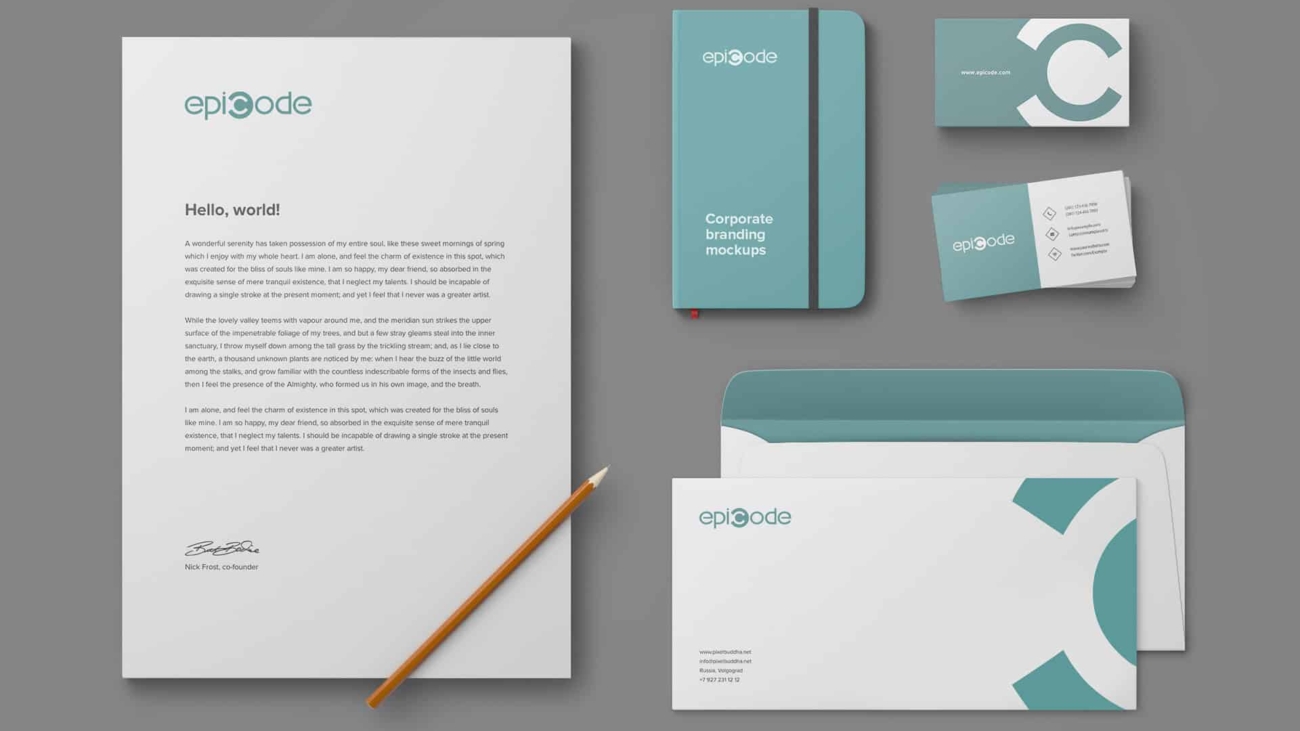
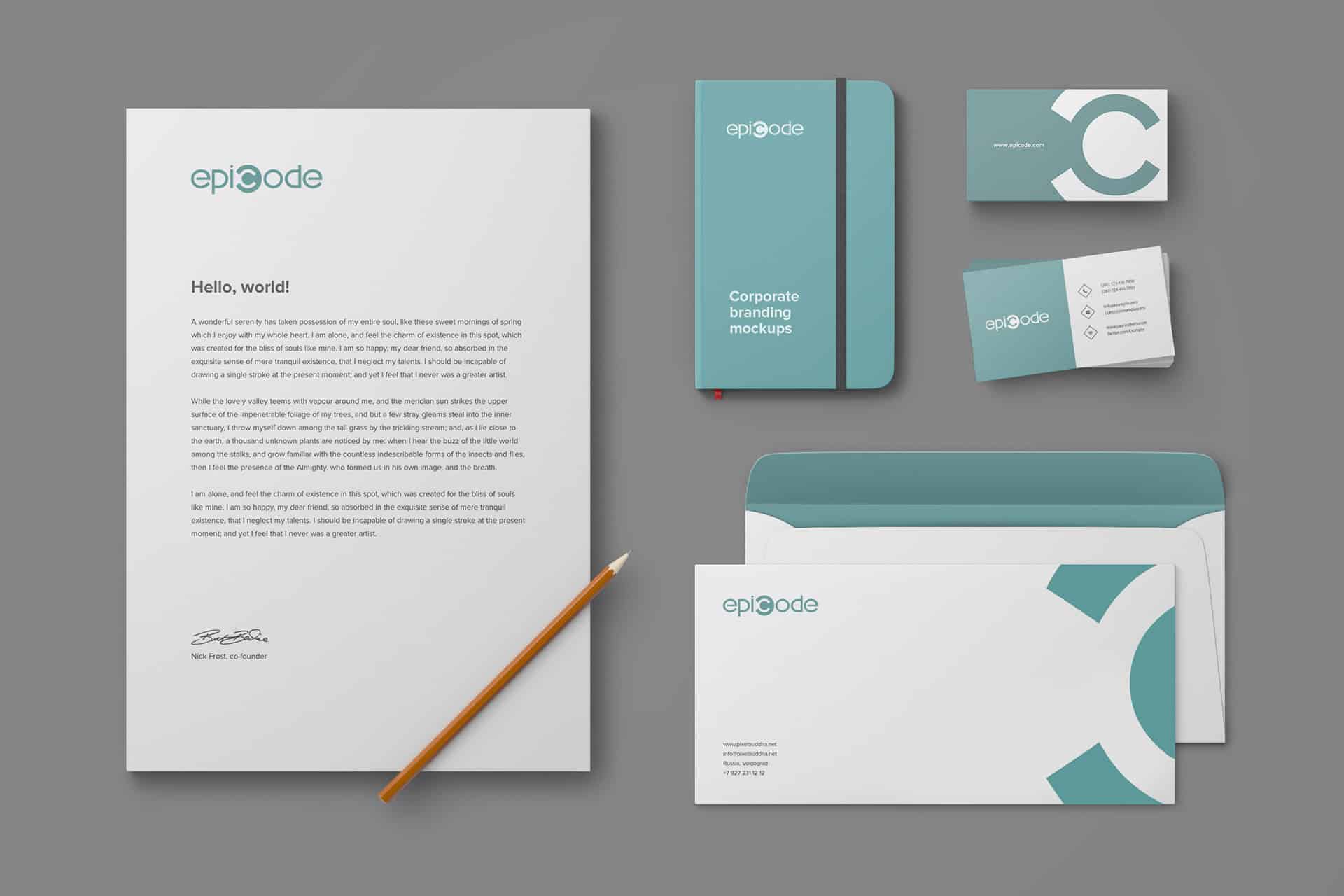
Corporate identity is as important to an organisation as a personal signature is to an individual. The term describes a broad, comprehensive approach to building an image that incorporates many different elements, particularly visual and audio communication. Corporate identity encompasses everything from a company’s logo and slogan to its colours, exhibition stands, letterheads, and employees’ business cards, creating an image that becomes the company’s signature.

Corporate identity aims to communicate a company’s purpose, history, audience, ideals, products and services, position in its sector, and goals to its target audience in the most effective and direct way. In short, it seeks to convey everything one might want to know about the company.

In other words, if people can understand a company’s founding philosophy from its corporate identity and anticipate its stance and behaviour on that basis, the identity work has been successful.

Successful corporate identity work becomes one of the largest contributors to a company’s success. It reveals the company’s position in its sector, its character, and its image. It builds trust among the company’s target audience and helps the company stay in their minds. It removes doubts about the quality of its products and services.

One important aspect of corporate identity is its ability to communicate a company’s qualities to its target audience as effectively as possible. For example, a dynamic, innovative company can readily convey these traits through vibrant colours, slogans, and other elements in its identity. A company also achieves success in its sector in proportion to the success of its corporate identity, distinguishing itself from competitors accordingly and becoming a memorable brand.

Corporate identity work, which has received increasing attention recently, is carried out by professional graphic design specialists. All companies seek professional assistance from a graphic design specialist for their corporate identities.

If you want to stand out from your competitors, bring your products and services to more people, and establish yourself as a brand in your sector, you should complete your corporate identity work and move forward with confidence.

What Makes a Successful Logo Design?

Skip to content

Menu

Home / Journal

On design

What Makes a Successful Logo Design?

Logo design is one of the key factors in helping a company’s products, services, or activities make a greater impact on their audience, while increasing the company’s recognition and memorability.

Although logo design may look easy, it is one of the biggest and most difficult hurdles in creating a corporate identity. Yet the vast majority of successful logos share one characteristic: simplicity. Their straightforward designs make simple logos easy to remember, and this helps them inspire a great deal of trust.

A logo should be designed and proportioned carefully, taking into account that it will be enlarged or reduced depending on where it appears. The audience should therefore respond to the logo on a notebook just as they would to it on a billboard. For this reason, it should be original and memorable. Nearly all successful logos have stood out for their limited use of colour as well as their simplicity. Using only one or two colours, these logos aim to be easy to recognise and more memorable.

The typefaces and styles chosen for a logo may vary, but whatever the choice, they should be orderly and easy to understand. A harmonious whole always attracts people’s interest and stays in their minds.

Where and how the logo will be used should also be considered in detail during the design process. If the design is finalised without these considerations, problems may arise when the logo is used later. It can lose quality across different applications and damage the corporate identity.

For all these reasons, logo design must be taken very seriously. A logo is the first impression a company leaves in people’s minds. A professionally designed logo helps you remain memorable to your audience and capture their attention. But if it has not been prepared with care and lacks the qualities a logo should have, you will not be able to take your success beyond a certain level, however successful and original your work may be.

Your logo design is your most important representative.

The Finer Points of Packaging Design

The Finer Points of Packaging Design

Skip to content

Menu

Home / Journal

On design

The Finer Points of Packaging Design

The Finer Points of Packaging Design

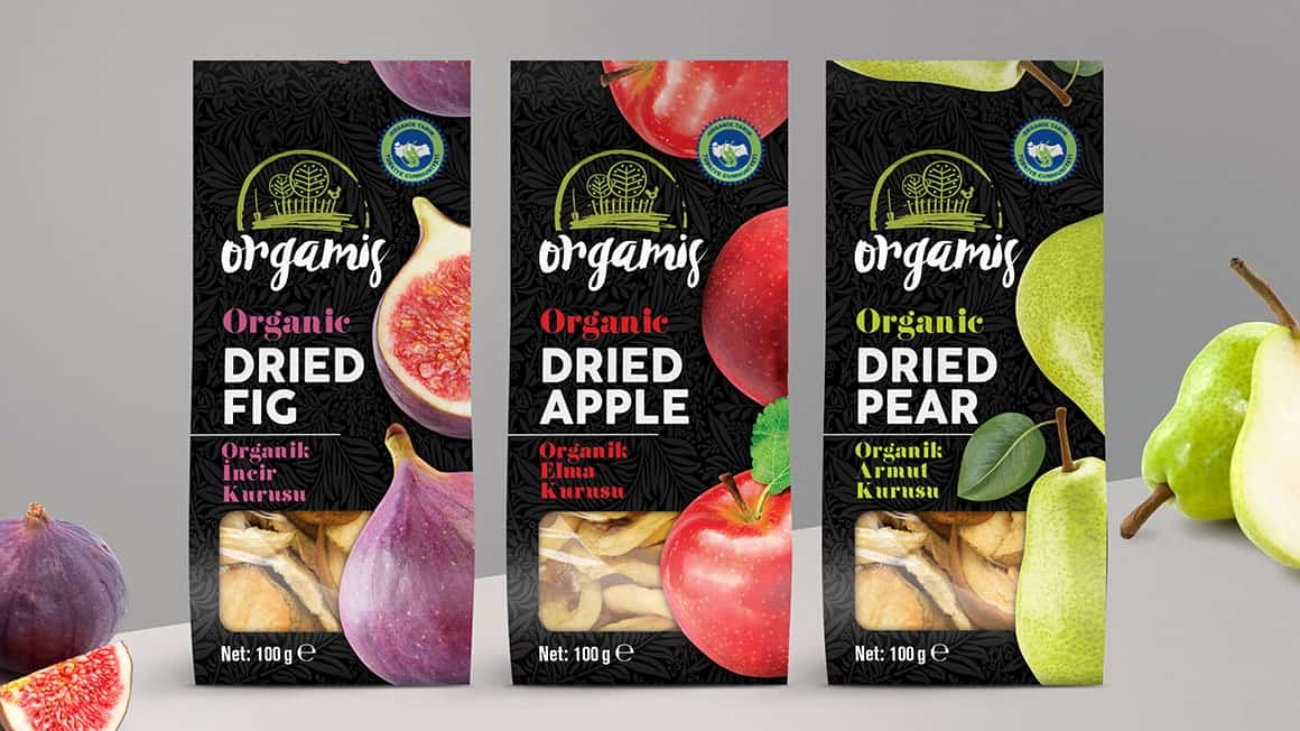
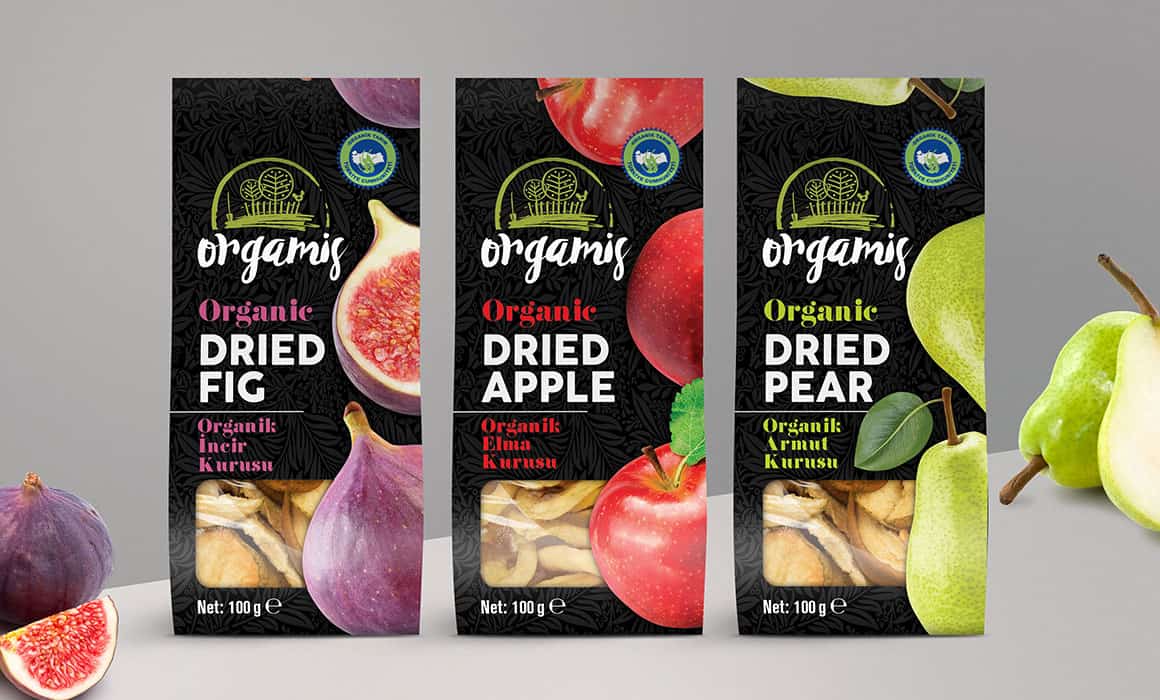
Packaging design has been a field of study and practice for many years. As technology has developed, packaging design, like everything else, has become digital and benefited from technological advances. Packaging designs are updated from time to time based on market research across different sectors, levels of competition, and analyses of consumer needs. A product’s packaging can put it ahead of its competitors through its colour, texture, appearance, shape, and even its scent. Packaging design is therefore one of the factors that significantly influence product sales.

In our country, too, the importance of packaging design has gained attention in recent years, and many companies have begun seeking professional support for their products.

Colour is one of the most important choices in packaging design. Using colours that reflect a product’s originality, its differences from competitors, and its distinctive character is a good way to stay in the minds of your audience. If there is a logo, it should be placed attractively on the package. The colours, symbols, and overall shape of the packaging should be worked out in detail. Colour and design are what attract consumers’ interest, encourage them to pick up a product, and lead them to examine it more closely.

After colour, typography is the second element to consider when designing packaging. The typeface should reflect the product’s character and convey originality. It should therefore be selected carefully, with letterforms that suit the product and are easy to read. The written content should then be strengthened to make consumers want to buy the product. The right typography for packaging depends on the product, its characteristics, the points that need to be addressed within its sector, and the target audience’s expectations at that moment.

In general, packaging design revolves around three concepts: harmony, originality, and appeal. Packaging designs that succeed in all three are liked and preferred by consumers. Seeking support from a professional who understands these concepts will therefore be the most beneficial approach for you and your product, making a positive difference to both.

A Memorable Logo

A Memorable Logo

Skip to content

Menu

Home / Journal

On design

A Memorable Logo

A Memorable Logo

Before designing a logo, perhaps the one ambition is to make it unforgettable and memorable, something that easily captures its intended audience’s attention. But, as with any task, there are key principles behind creating a memorable logo. And these principles go beyond colour, typography, and other visual techniques.

A logo should also convey its organisation’s goals and its position within its sector. There are four fundamental concepts behind an unforgettable logo: simplicity, memorability, relevance, and distinctiveness.

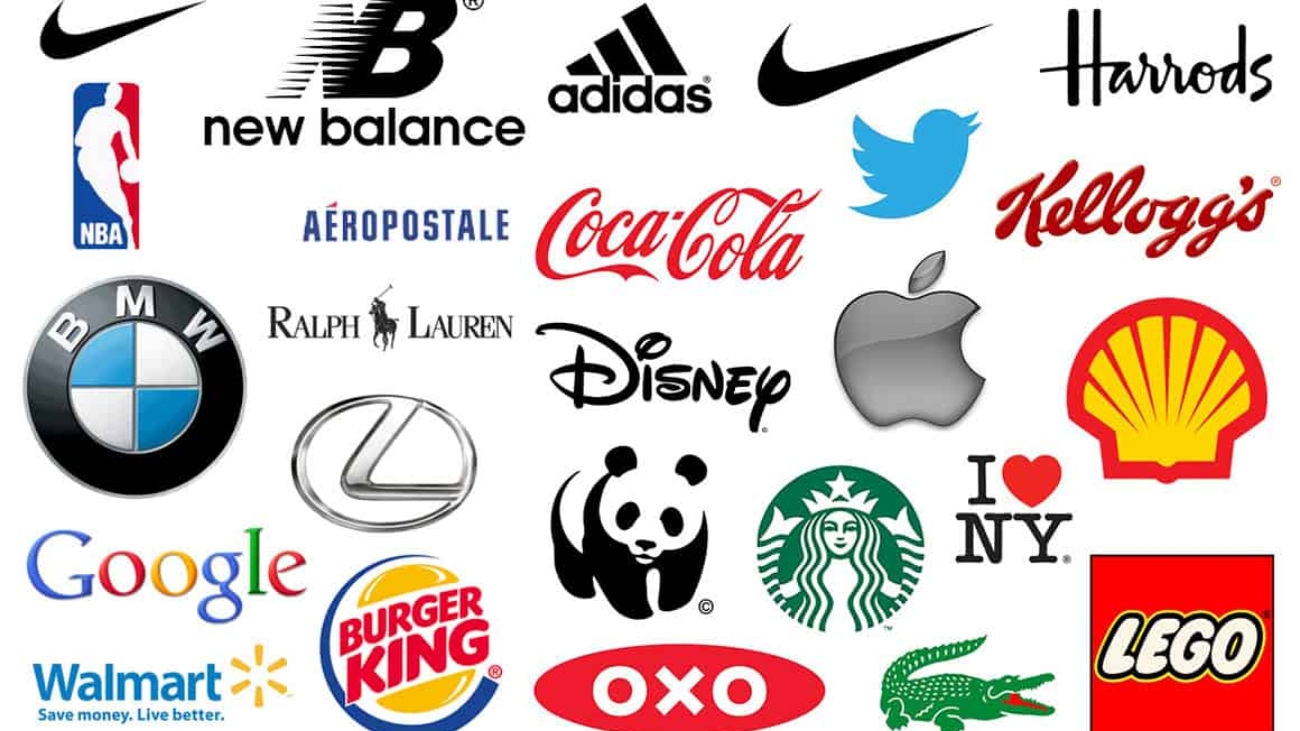
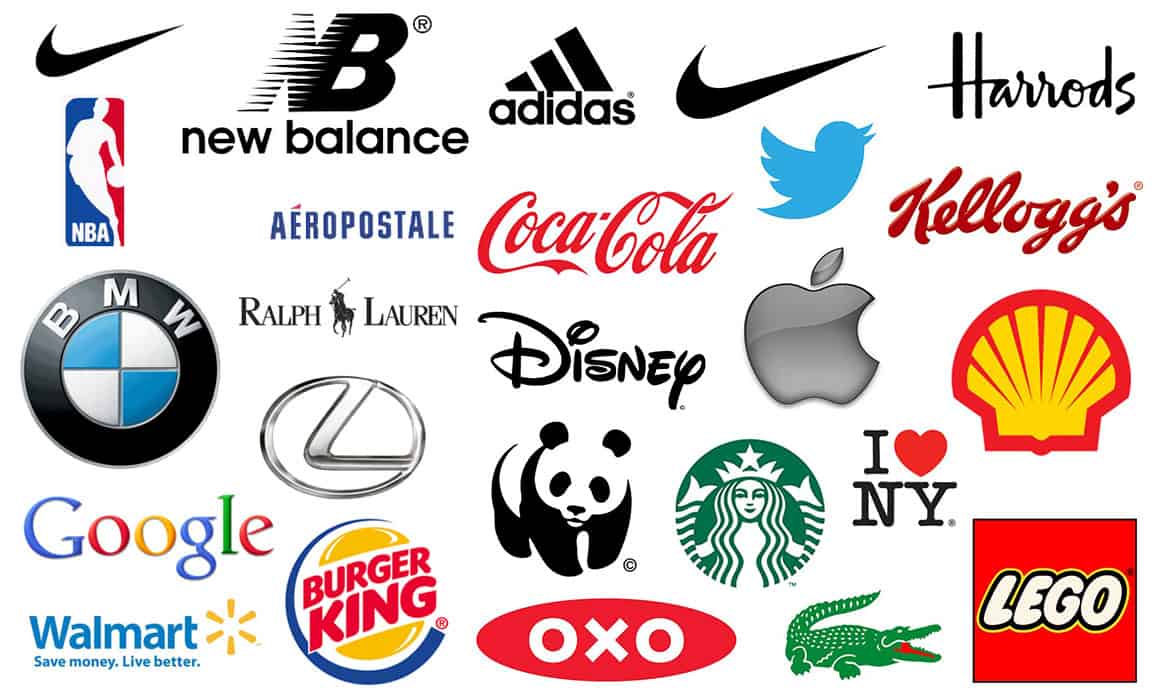
Let’s begin with simplicity. A logo should not be complicated or crowded with messages, symbols, signs, and forced slogans. Simply composed logos attract attention and are easier to remember. The simpler a logo is, the more cultures and people it can appeal to. The logos of companies such as Apple, Nike, Adidas, and McDonald’s, for example, are very simple.

Memorability is also extremely important for a logo. Once again, this comes from a successful graphic style and simplicity. A complicated logo is difficult to remember, while a simple, well-constructed one attracts attention immediately.

Relevance means the following: if you are an insurance company, for example, you might include a metaphorical symbol that suggests your business, such as an umbrella representing protection. For a financial company, an upward-pointing arrow could represent success and growth. When the colours and symbols in your logo suit your sector, they inspire trust in people encountering your brand for the first time and, over time, help make it memorable.

A logo should give people the sense that its company is different from its competitors. To do this, it needs to be distinctive. The colours, shapes, typography, and composition used in the logo all contribute to that distinctiveness.

When a memorable logo is developed in light of all these concepts, it takes on a striking, recognisable form suited to its sector and is immediately identified wherever it appears. A logo designed according to these steps aligns with its company’s aims and objectives and becomes associated with its character. In this way, the logo becomes a lasting asset for the company and plays a very important role in its advertising. A flawless logo design is a highly important and valuable undertaking for a company’s position in its sector.

What Is Graphic Design?

What Is Graphic Design?

Skip to content

Menu

Home / Journal

On design

What Is Graphic Design?

What Is Graphic Design?

Graphic design is the digital preparation of news, announcements, campaigns, advertisements, or anything else intended to be shared with people, as well as the design of logos, posters, billboards, packaging, magazines, promotional films, books, cartoons, print advertisements, and corporate identities.

Graphic designers are people who can use the latest technologies to carry out all these tasks, think creatively and practically, communicate their ideas through artistic lines and forms, use their imagination, and work effectively with colour.

The scope of graphic design includes everything from posters and information or warning signs to corporate identities and advertising film production, as well as books, magazines, and brochures. Graphic design is an art of visual communication whose influence has grown considerably, and whose importance has become widely understood, particularly over the past decade.

One of the aims of graphic design is to use colours and shapes in an eye-catching way to attract the target audience’s interest and keep it alive. Creative ideas and compelling designs play a major role in this. So what does a graphic designer do?

A graphic designer:

  • Researches the subject of a design thoroughly and gathers detailed information and data. If necessary, they meet with clients and other specialists in the subject.
  • Develops a central theme for the design, either independently or within an advertising agency, and identifies concepts to explore.
  • Carries out a detailed visual search around these concepts and creates appropriate imagery.
  • Contributes as an art director when photography or filming is needed, bringing an aesthetic perspective to the work. When necessary, they supervise photo and film shoots.
  • Oversees a promotional campaign from the initial idea through to publication, following the process through design, printing, publishing, and results.

A graphic designer should also:

  • Have the ability to distinguish differences in time and space.
  • Be comfortable working with shapes and colours and know how to use them in the most appropriate places.
  • Think creatively and bring imagination into their work.
  • Be able to express ideas through artistic design and drawing.
  • Take an interest in art and engage with social sciences such as psychology and sociology.
  • Be innovative, contemporary, and independent-minded, and keep up with technological developments.