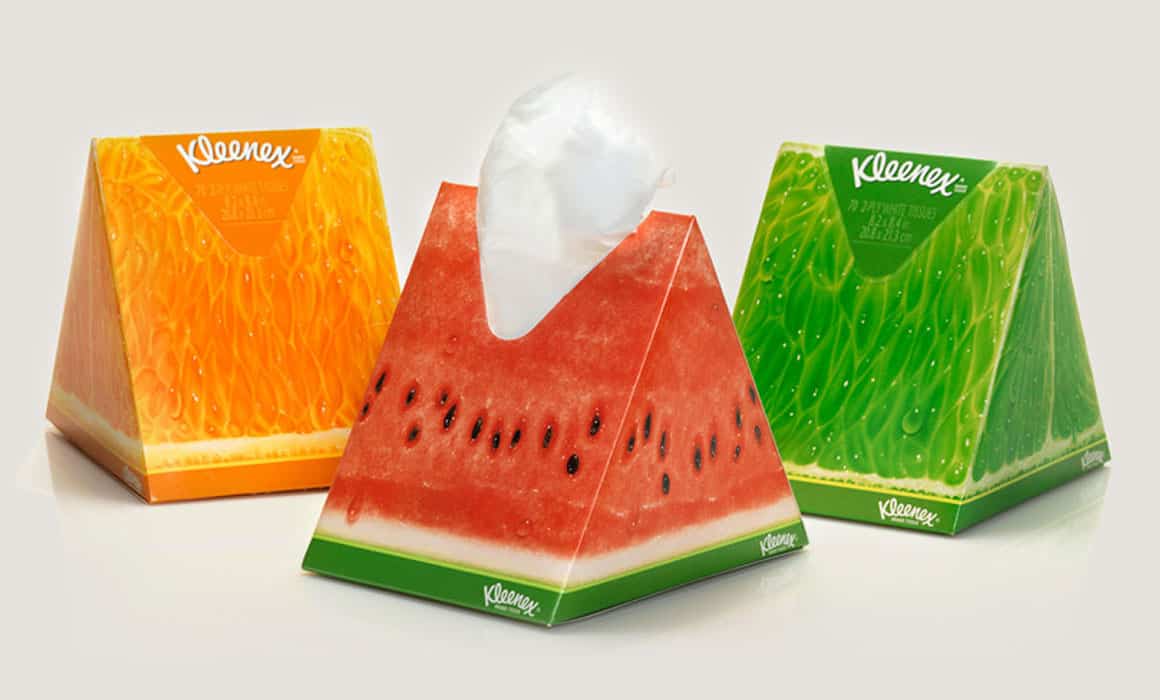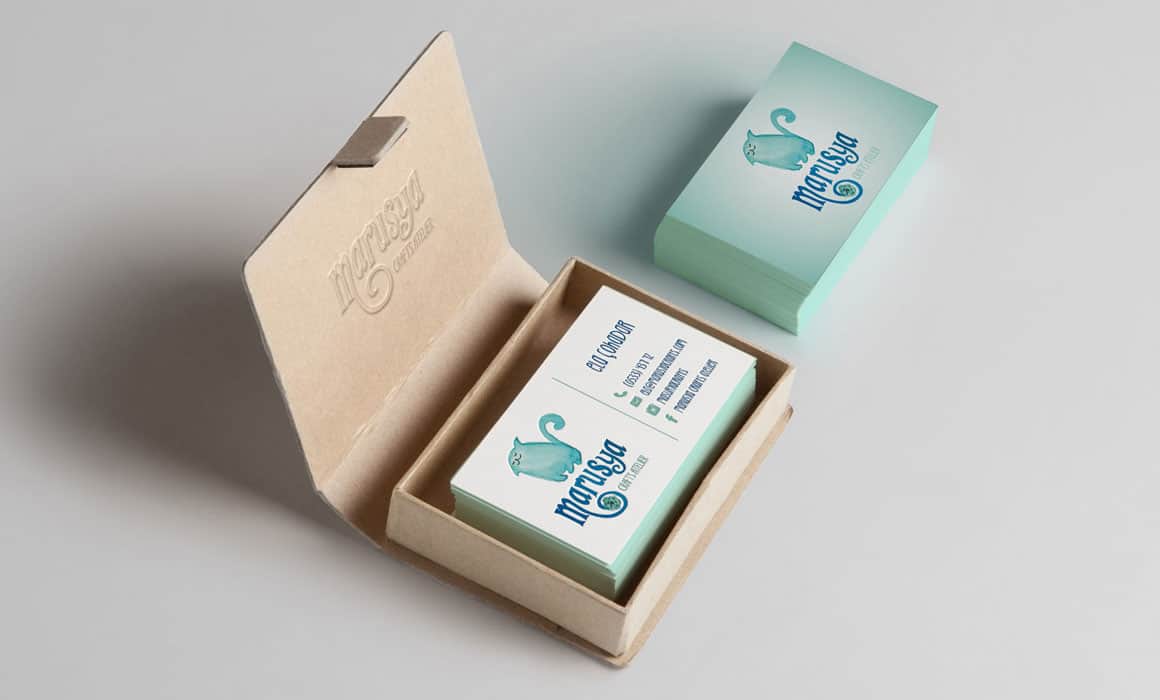
No matter how high-quality a product is, it may never reach its full potential if it is not presented correctly.
Today, consumers are not just buying products — they are buying emotion, trust, and brand experience. That’s why packaging design has become one of the most powerful elements of modern branding.
Especially in a world where competition on store shelves, e-commerce platforms, and social media is constantly increasing, packaging is often the very first thing that attracts attention.
So, what makes a packaging design truly successful?
1. Understanding the Product and the Target Audience
The first step of successful design is not making something look beautiful — it’s communicating the right message.
The visual language of a children’s product cannot be the same as a premium cosmetic brand.
Likewise, natural products and technological products require completely different design approaches.
That’s why every packaging design process should begin with questions like:
- Who is the product designed for?
- Which competitors will it stand next to on the shelf?
- What emotion should the brand communicate?
- Should it feel premium, natural, playful, or modern?
Without the right strategy, even visually attractive packaging can become ineffective.
2. First Impressions Are Everything
Consumers usually spend only a few seconds looking at a product on the shelf.
If the packaging fails to capture attention within that moment, the product often loses its chance.
A good packaging design should:
- attract attention from a distance,
- be easy to read,
- avoid visual confusion,
- instantly communicate the brand identity.
This is why:
- color selection,
- typography,
- spacing,
- product imagery,
- logo placement
all play a major role.
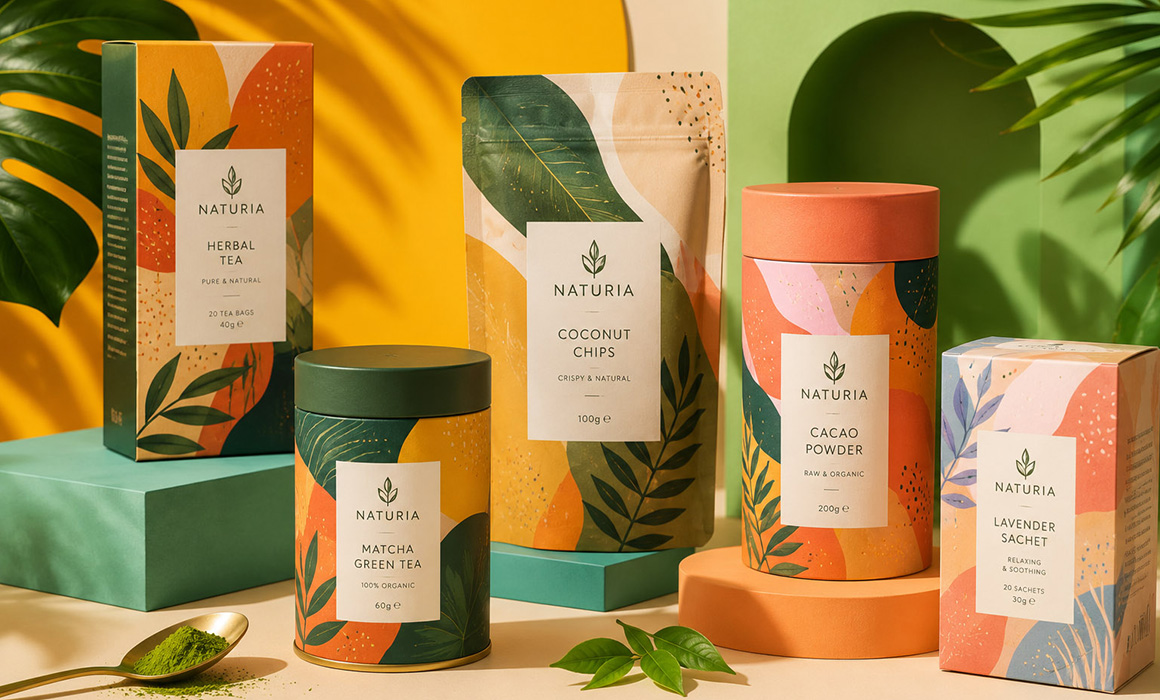
Today, clean and minimal designs are often perceived as more professional and premium.
3. Why Minimalism Matters in Packaging Design
In the past, packaging was often overloaded with graphics and information.
Today, consumers are more attracted to clean and focused designs.
Minimal packaging design:
- makes products look more premium,
- creates a sense of trust,
- performs better on digital platforms,
- strengthens brand identity.
The key is not simply leaving empty space, but creating a balanced visual hierarchy.
Successful minimalism is actually highly controlled and intentional.
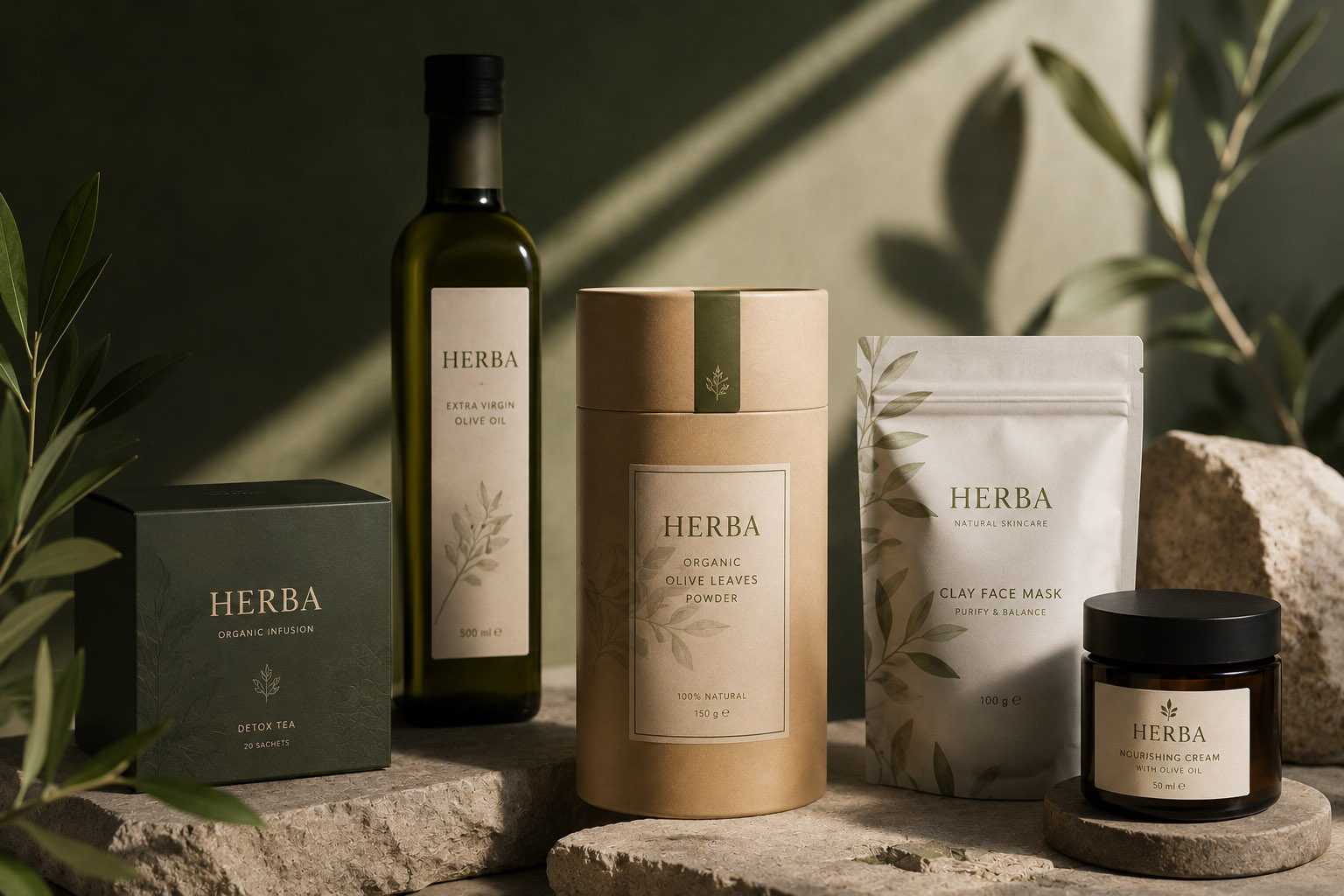
4. Color Selection Directly Impacts Brand Perception
Colors have a powerful psychological effect on consumers.
For example:
- Black → premium and powerful
- White → clean and modern
- Green → natural and healthy
- Red → energetic and attention-grabbing
- Gold accents → luxury perception
However, choosing beautiful colors alone is not enough.
The color palette must also align with the product category and brand positioning.
For instance, using overly aggressive colors for a natural product can reduce trust and authenticity.
5. Packaging Must Also Look Strong in the Digital World
Today, products compete not only on physical shelves but also on Instagram posts, advertising campaigns, and e-commerce websites.
Modern packaging design should therefore:
- look attractive in photography,
- reflect light properly,
- remain readable on mobile screens,
- create a strong visual impact on social media.
For many brands, packaging has now become part of the content creation process itself.
Especially for premium products:
- realistic mockups,
- high-quality product photography,
- professional lighting
can significantly increase perceived brand value.
6. Print Quality and Material Choice Are Just as Important as Design
Even the best design can lose its entire impact with poor production quality.
That’s why details such as:
- matte or glossy finishes,
- spot UV applications,
- foil printing,
- paper quality,
- pouch or box structure
are essential parts of the overall design experience.
In premium packaging, even small details can completely change how the product is perceived.
7. Successful Packaging Design Directly Affects Sales
Packaging is not only about aesthetics.
It is also a powerful marketing tool.
A well-designed package:
- helps products stand out on the shelf,
- builds brand trust,
- increases perceived value,
- encourages purchasing decisions.
Today, many consumers are willing to try a product for the first time simply because the packaging feels trustworthy and appealing.
Conclusion
Successful packaging design is the combination of aesthetics, strategy, and brand perception.
A well-executed package:
- differentiates products from competitors,
- strengthens brand identity,
- attracts attention both physically and digitally,
- supports sales performance.
Because consumers often connect with the packaging before they ever experience the product itself.
And strong brands never leave that first impression to chance.